By: Maddison Wilson | Staff Writer
Everyone deserves to feel safe on their college campus, regardless of who they are. When a student needs help on their campus, their university should act with empathy and diligence to provide the necessary resources to make that student feel safe and pursue justice.
Following recent criticism of Cornell University’s handling of Jane Doe’s sexual assault case, it is important that members of the Salve Regina University community understand the resources available to them if they, or a loved one, experience sexual misconduct. But what resources are there?
First, it is important to understand Title IX. Part of the Education Amendments of 1972, this law prohibits sex-based discrimination in any school or higher education program that receives federal funding. Sexual harassment and sexual violence fall under its protections. Colleges must respond to covered reports in accordance with their institutional policies and federal requirements. This means that universities have a duty to prevent sexual assault on campus–for both students and faculty members–as well as help any sexual assault survivor in their education and wellbeing.
Salve Regina University has multiple resources in the event of a Title IX violation on campus. According to a general research study on Title IX Coordinators on College and University Campuses by Wiersma-Mosley and DiLoreto, only 14% of universities have an anonymous link included in their information about Title IX policies. Salve is one of the institutions who offers an anonymous reporting option. Reports can also be made in person, by phone, email, or any means a student or staff member sees necessary. Likewise, Salve provides the necessary information if an individual would like to file a report with Newport and surrounding police departments.
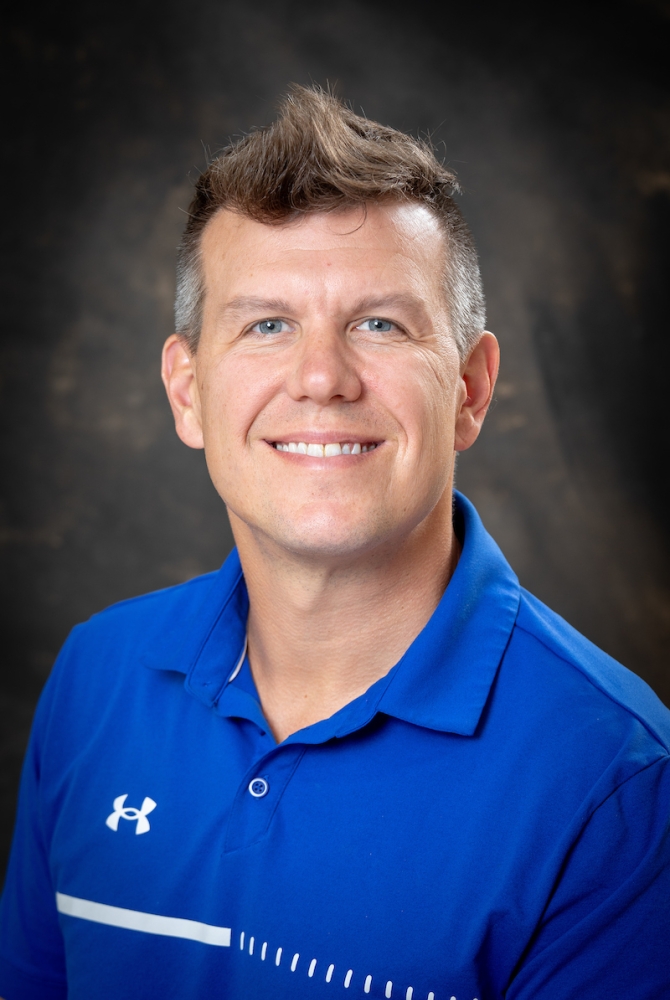
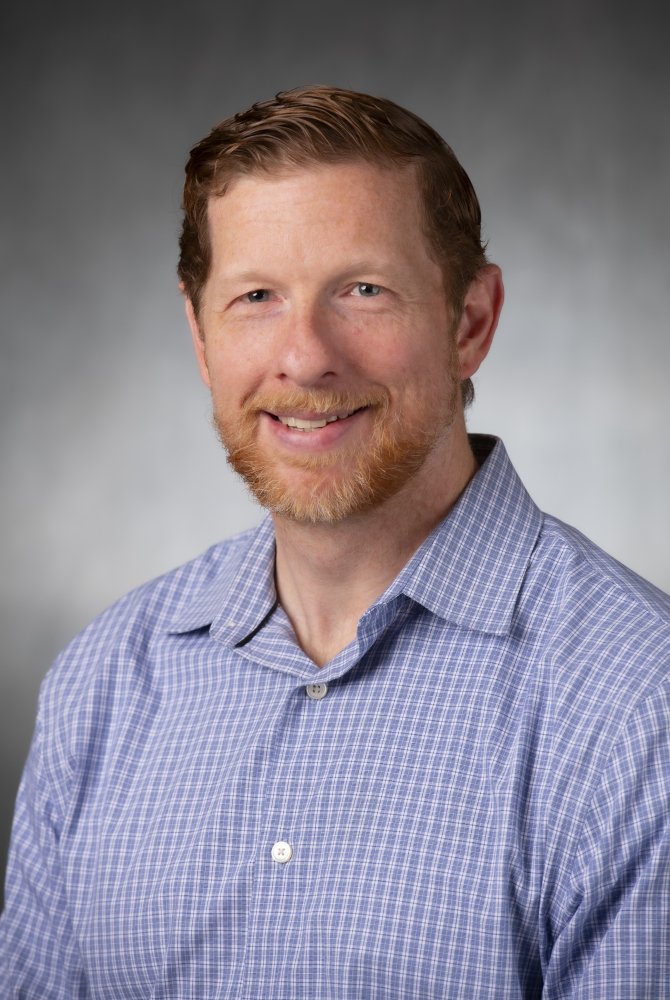
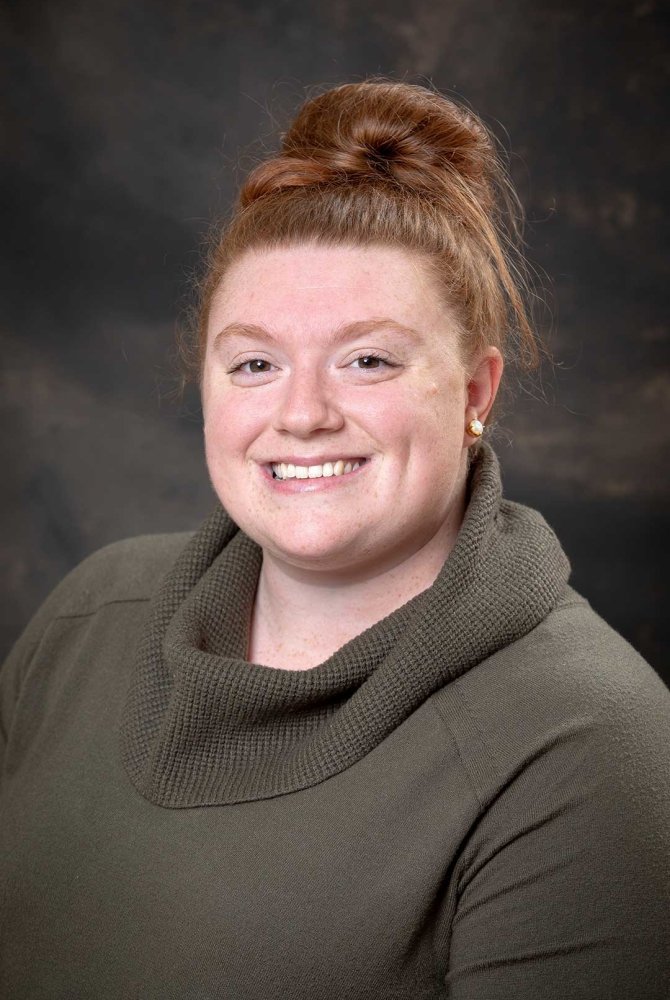
Salve also has three Title IX coordinators that are available to discuss concerns and reporting options. These coordinators are Jonathan Cook, Susan Bernath, and Derek Grinkin. Students can contact these coordinators to discuss reporting options and available support. Contacting a Title IX coordinator to discuss options does not automatically require students to file a formal report.
Another resource available to students, especially in the case of helping loved ones, is Salve’s Good Samaritan Policy. The policy provides certain protections from immediate disciplinary actions for students who seek help or help others in situations involving alcohol or other drugs. If someone needs help, students should not hesitate to call for help. Public Safety is available anytime. Reporting options and university policies are vital to understand, but the immediate priority should always be someone’s personal safety and wellbeing.
Above all, students should know that they do not have to navigate these situations alone. Salve Regina University and the Newport community offer resources for individuals seeking information, support, and assistance.
If you or someone you know needs support, visit Salve’s Title IX website for a list of additional information, the anonymous reporting link, and contacts.
Images provided by salve.edu